The Psychology of Interior Design How Your Home Shapes Your Everyday Life
Have you ever noticed how certain spaces make you feel calm, while others leave you restless? The psychology of interior design explores this connection - how colours, light, materials, and spatial organisation affect our nervous system, emotions, and daily behaviour.
Your Home Is an Active Participant in Your Daily Life
The spaces we live in affect us far more deeply than we usually realise. Our environment constantly influences the nervous system - it can create calm, raise tension, support concentration, or encourage a sense of closeness. When design is intentional, the space begins to work in favour of emotional balance and everyday wellbeing.
Visual harmony plays a key role in how we feel in a room. The brain seeks order, clarity, and predictability. Harmonious compositions, soft textures, and natural materials create a sense of safety and comfort, allowing the body to relax.
Light and Natural Elements
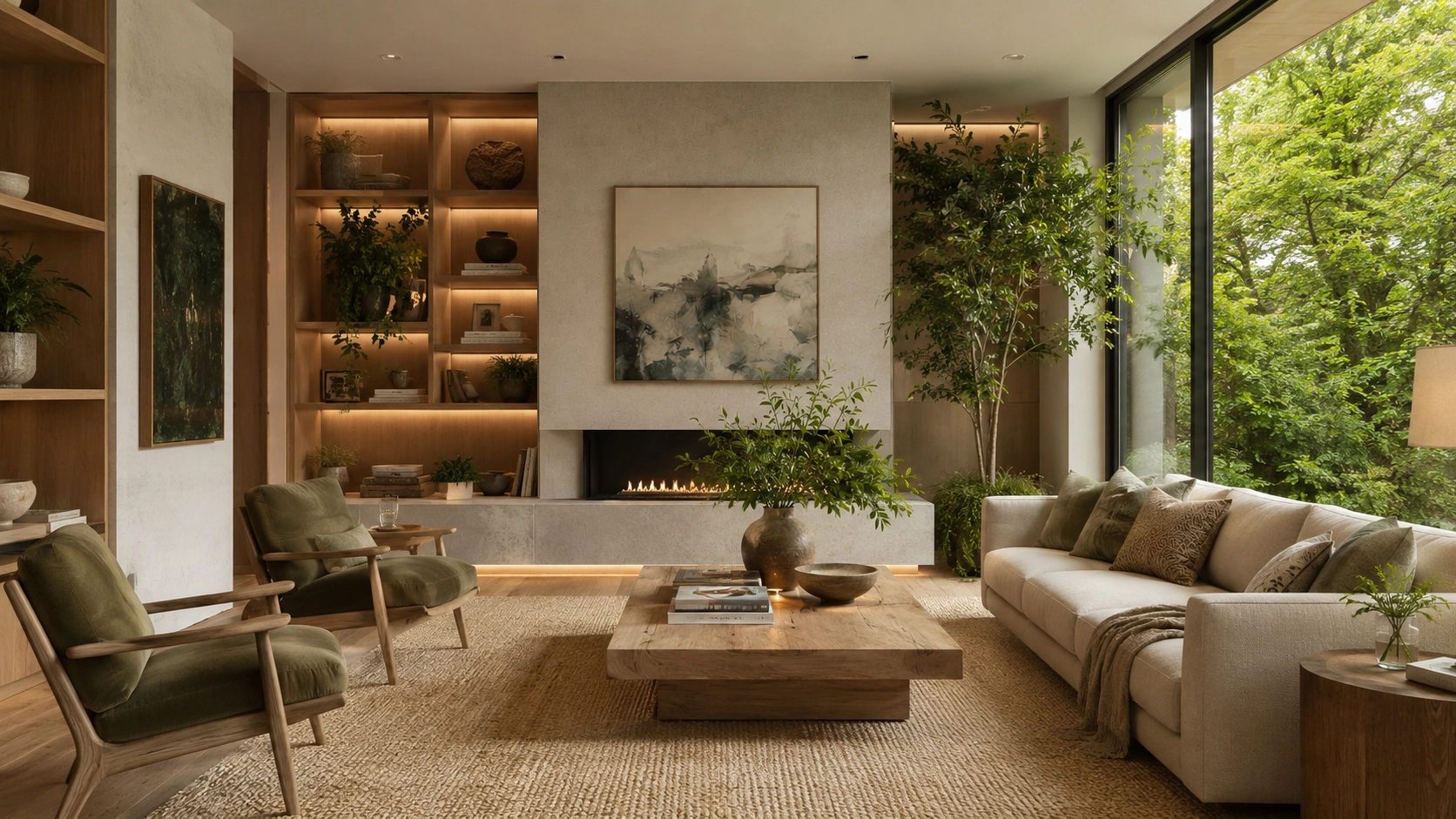
Light and natural elements have a direct impact on mood and energy. Access to natural light supports our biological rhythms and brings a sense of vitality. Plants and natural textures create a feeling of balance. Even small natural accents can noticeably shift the atmosphere, making it feel more alive and supportive.
These observations form the foundation of biophilic design - an approach that intentionally integrates natural elements into interior spaces.(Attention Restoration Theory) by Kaplan & Kaplan also demonstrates that contact with nature - even symbolic - reduces mental fatigue and supports focus.
The Sense of Control Over Your Space
When a person can adjust the lighting, the level of noise, or the degree of privacy, the feeling of comfort and autonomy increases. Spaces that offer choice - zones for solitude, different lighting scenarios, or more intimate corners - allow people to adapt their surroundings to their current mood and needs.
Social dynamics within the interior also affect how people connect with each other. Well-designed communal areas create natural closeness, while the option to step away provides balance.
The Psychology of Interior Design and Colour
The colour palette is one of the first things we perceive when we enter a space. Before we have taken in the details, our brain reacts to the overall colour impression - warm or cool, calm or stimulating.
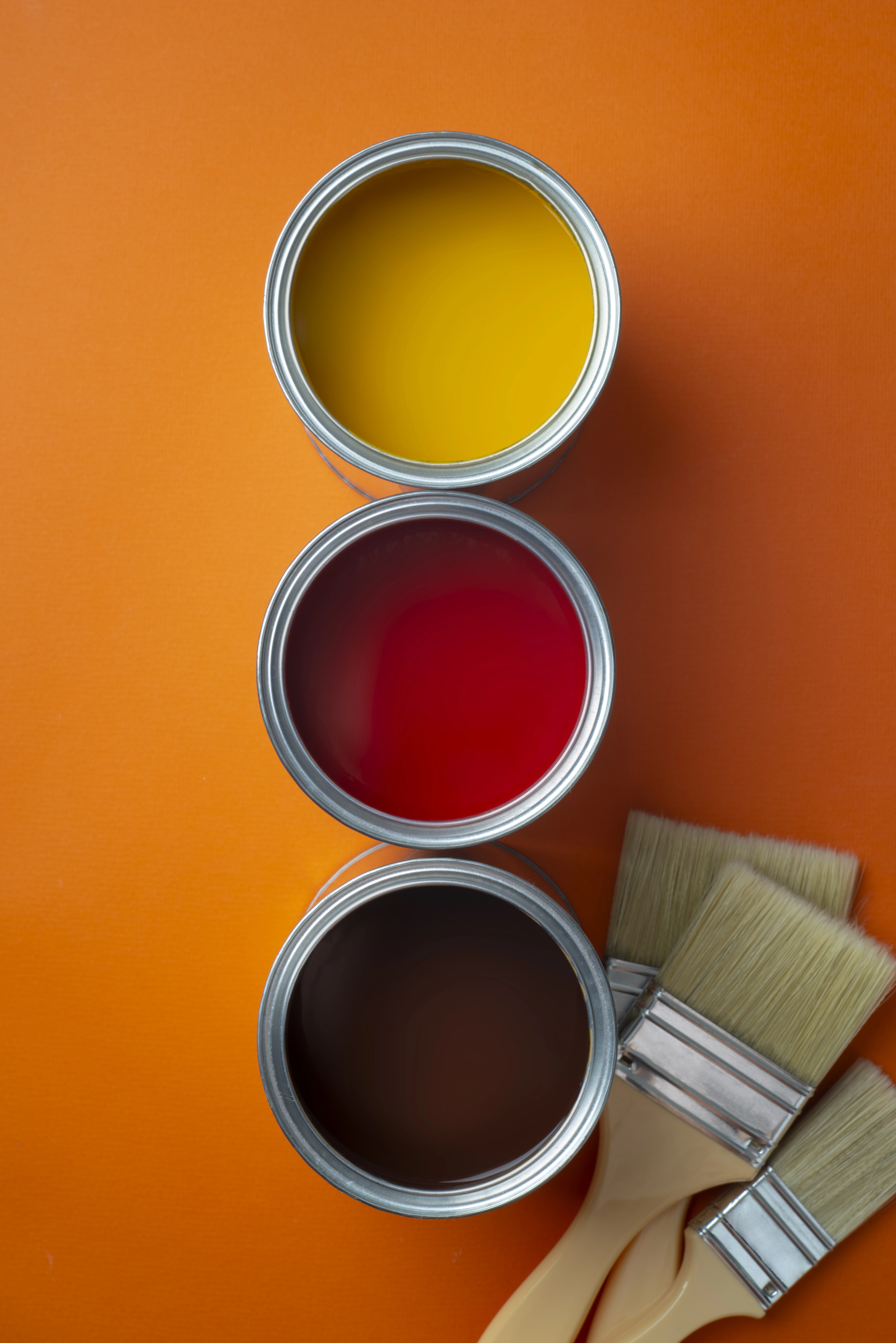
Research by Andrew J. Elliot (University of Rochester) and Color-in-Context Theory (Elliot & Maier, 2012) shows that warm tones like red and orange increase energy and stimulate activity, while cool colours like blue and green are associated with lower levels of tension and a sense of calm. Natural tones - greens, earth tones, muted beiges - are perceived as the most calming.
It is important to note that the effect of colour is not universal. It depends on the context and function of the space. The same shade can support focus in a workspace but create tension in a bedroom.
Saturation Matters More Than the Colour Itself
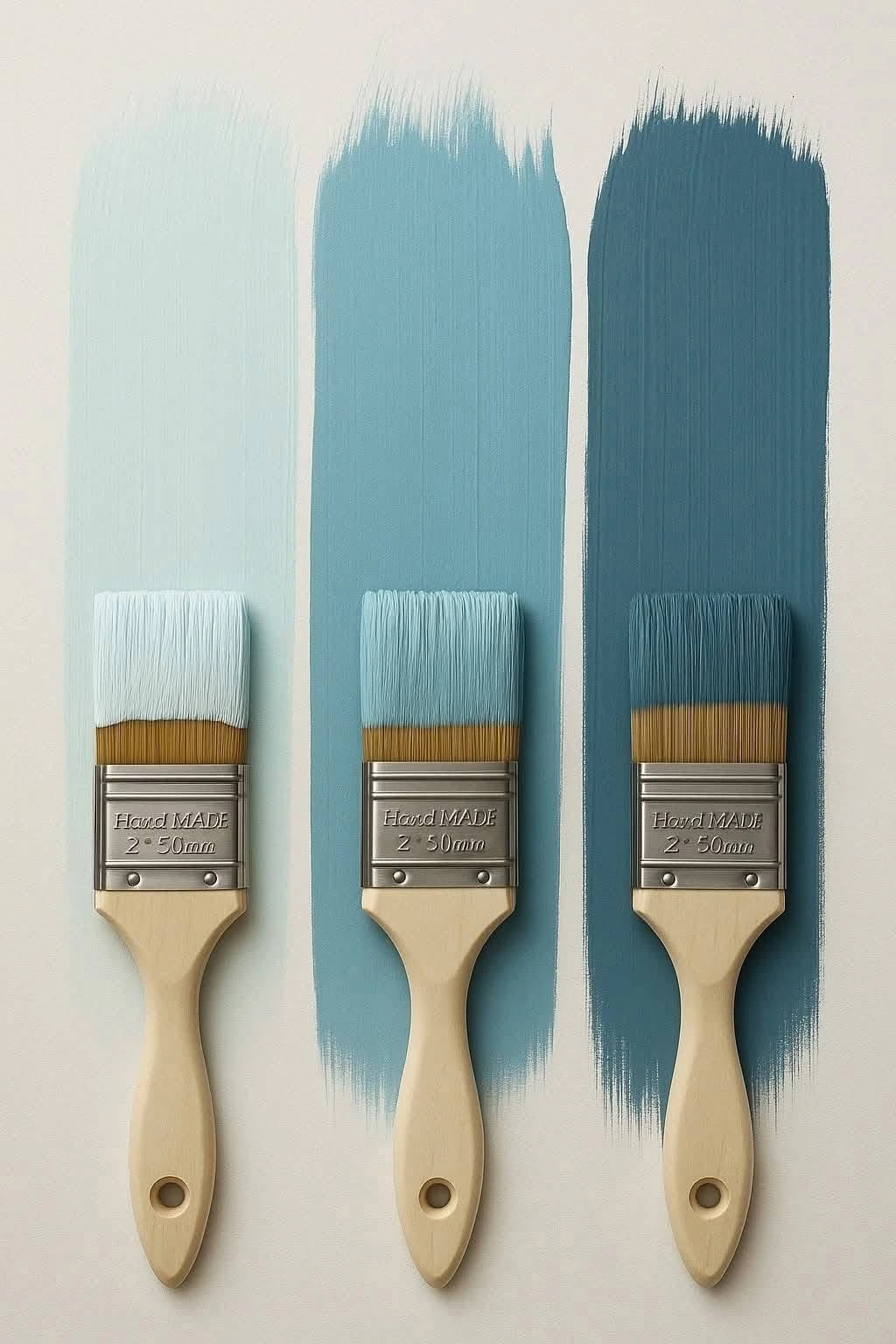
Just as important as the hue is its saturation. Bright, highly saturated tones increase stimulation and grab attention. Softer, more muted shades create a calmer, more restful atmosphere. In interior design, the issue is often not the colour itself, but its intensity.
How Light Changes the Perception of Colour
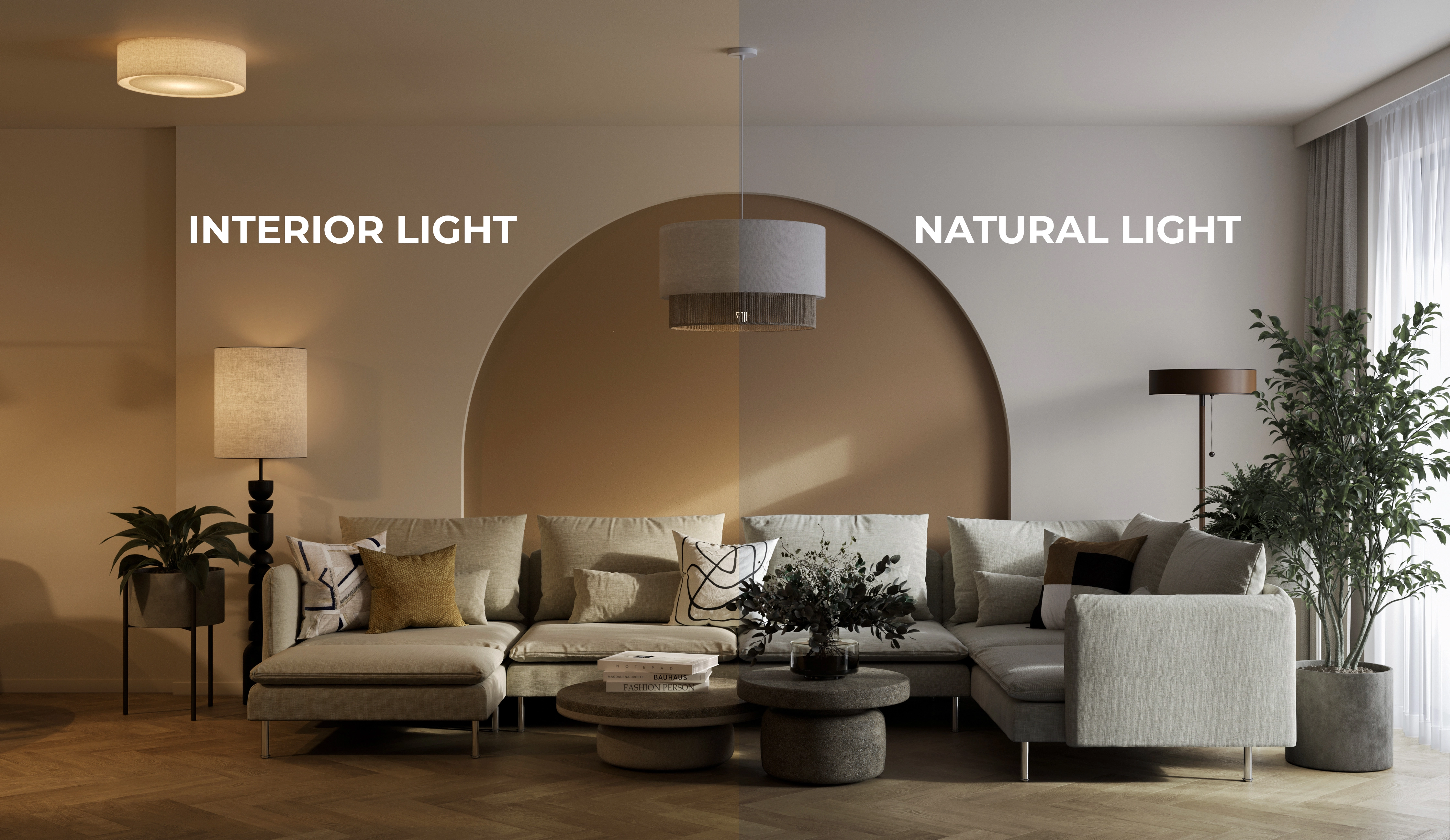
Colour does not exist independently from light. South-facing rooms make colours appear warmer and more saturated, while north-facing rooms cool and soften them. Pure white, for instance, can appear grey under cool light.
Artificial lighting also plays a significant role. Cool-toned bulbs can make warm colours feel lifeless, while overly yellow light can distort neutrals. Colour should always be tested in the actual space, not chosen solely from a swatch.
How We Apply the Psychology of Interior Design in Our Work
At Lenea, we believe that great interior design is not just visual - it should support the people who live in the space. Every project begins with a conversation about lifestyle, habits, and needs.
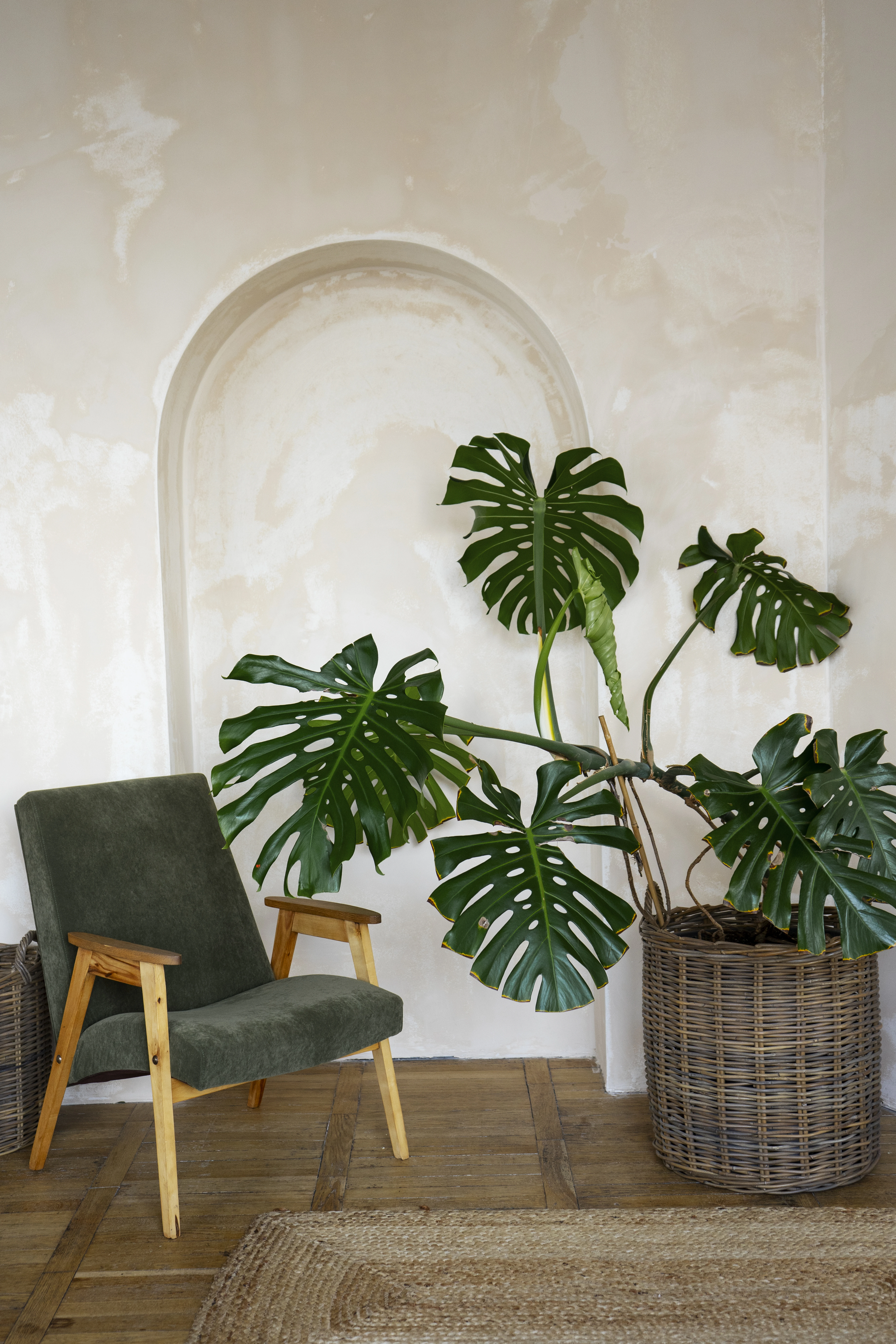
For example, in Project Polaris - a modern interior for a living room and entryway in Sofia - we used a light, neutral base to compensate for the apartment's north-facing orientation and limited natural light. Green and terracotta accents bring warmth and character, while the arch in the living area creates visual rhythm and a sense of depth.
When the psychology of interior design is woven into the process, the result is a space that supports its inhabitants in their everyday life.